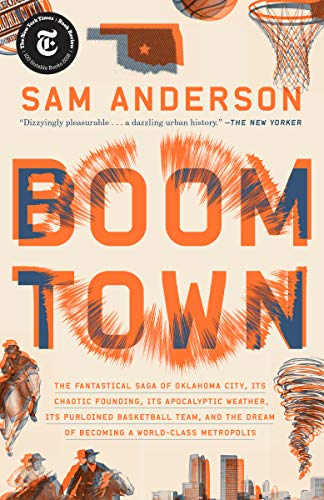
Boom Town: The Fantastical Saga of Oklahoma City, Its Chaotic Founding by Sam Anderson

This book is personal.

Ok, maybe not that personal, but this book gives the best history/background of my hometown: Oklahoma City.

This book is both a history book and a sports book.

For the history: all the major events such as our founding, sleezy business owners developing, tornados, the NBA team, and the horrific events of the Murrah Bombing are all covered.

For the sports fans: This book covered why OKC even has a basketball team, how we stole the Sonics, why KD was an icon and how the team has progressed.

I will be blunt; I was not here for the basketball. I am not a sports-ball guy. But I try to be open minded and got a lot out of the Thunder’s sections. I have a lot more context of why the thunder is a big deal. I was also a bit flabbergasted that the biggest reason we have a team is because rich businesspeople wanted a team. (Please read the book for the full story, I am recommending the book after all).

I was here more for the history of my city. Some of the basics were covered in my high school history class but most of the content was fresh and gave me a new perspective on OKC. The author also shed a lot of light on the recent renascence that OKC is going through. But he does mention, and I see his point, that OKC is a boom town, and there is usually a bust.

He captures a lot of the thinking and just “way of life” us okies are in words I never could have imagined. For example, “OKC is the biggest small town in America” or that “You don’t need a GPS, you look the tallest building and use that to navigate”. But he does a great job of showing off our resilience, hard work, and friendly nature.

I don’t want to spoil the whole book, but there are chapters on our weather, and of the Flaming Lips. They are apart of who we are.

I did grow to enjoy my city a bit more with this book. And made me enjoy the fact that I still live here at least a little. (I WILL HAPPILY MOVE TOO IF A BIOTECH OR PRODUCT DESIGN OR FORENSIC JOB OPENS UP IN A “CIVLIZED” COUNTRY THOUGH, LET ME KNOW, HINT HINT)
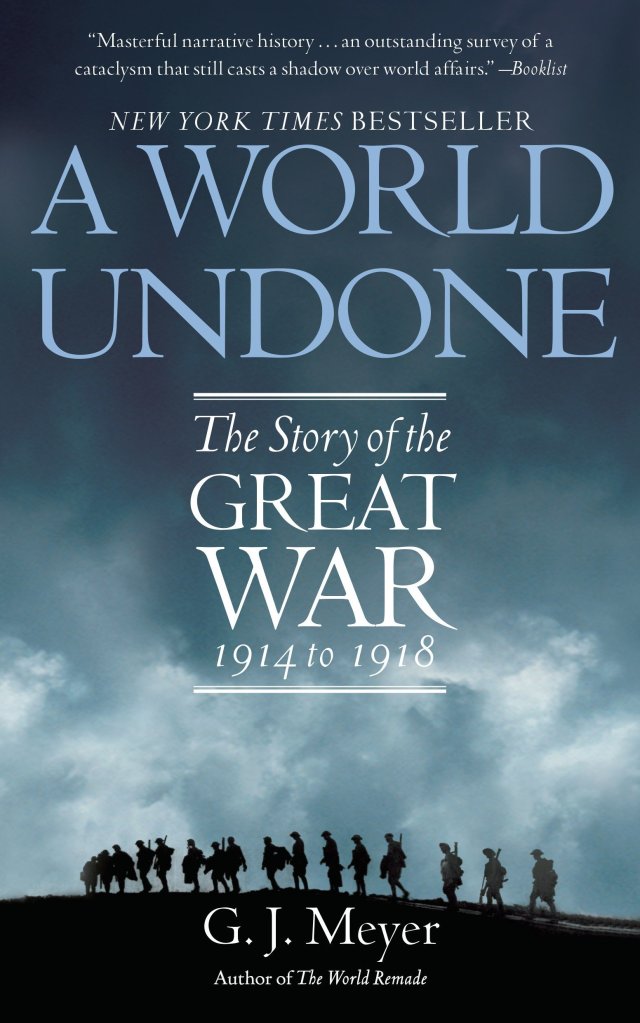
A World Undone by G. J. Meyer

For lots of reasons, this book as been on my mind recently. I will cite both modern events and the new SABATON Album “The War to end all Wars”.

One of the problems with history is that there are so many facets and details that each can comprise a multitude of books and study. Many history books I read are more and more niche, examining aspects of science, individual people, etc.

This book tells everything. Granted not every single detail is elaborated on in very intricate detail such as in the YouTube series “The Great War”. But, if you read only one thing about the history of WWI, this is it.

The reasons why the war started are explained better than any textbook. The stories of the people, what they did, and why they matter over 100years later were made clear. This book even examines the smallest of details such as the relations of the Russian families, the poetry of the soldiers, and the news at the home fronts.

If you want WWI explained, this is THE book. It is a long read but very complete. This is a very good litmus of being interested in WWI as well. If you like this book, this is a great jumping off point to dive into more; or if nothing covered in this book interests you, this is a great overview.

I do still recommend “All Quiet on the Western Front” for the experience of the men who fought and experienced the war. But that history, in my experience is both the big and small pictures.

Also, regarding this book, I am unfortunately internalizing the tragedy of the world, and of WWI.

“The war that would end all wars is over
But not everyone agrees
In the underground, something is growing in the dark
Because for some, the war never ended
War will never entirely die, it will evolve
It will change
And war will return, sooner than we think”

-SABATON – Versailles

Reading List of 2021

This is the big list of books I completed in 2021.

I would like to say there is a pattern, however I think that would be a lie.

The list is in (mostly) sequential order

note: just because it is on this list does not mean I recommend it or will not recommend it later, this is more the list of stuff I thought would be worth reading.

  1. The Reluctant Adventures of Fletcher Connolly on the Interstellar Railroad
  2. Eating the Dinosaur
  3. Song Machine
  4. Humble Pi
  5. Liquid Rules
  6. Better Than Before
  7. Libertarian Walks into a Bear
  8. All Creatures Great and Small
  9. Watership down
  10. Thrawn ascendancy: Greater Good
  11. White fang
  12. A Clockwork Orange
  13. Creativity INC
  14. Heavens river (Bobiverse)
  15. Mathematics of love
  16. The Ice Diary’s
  17. Shadows of the Empire (abridged)
  18. The Android’s Dream
  19. Sword of Destiny (Witcher)
  20. Invisible hook
  21. The Godfather
  22. Four Fish
  23. Orconomics
  24. Eaters of the Dead
  25. Cosmos
  26. Super Freakonomics
  27. Lies my Teacher Told Me
  28. Prisoners of Geography
  29. Nordic Theory of Everything
  30. Everybody has a Podcast Except You
  31. Thinking, Fast and Slow
  32. Curious
  33. Thrawn Ascendancy: Lesser Evil
  34. Existentially Challenged
  35. Consider the Fork

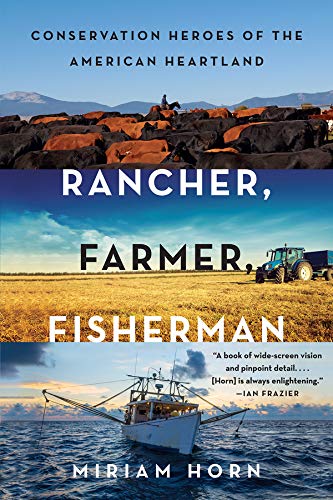
Rancher, Farmer, Fisherman: Conservation Heroes of the American Heartland

This is a book I recommend to anyone having an interest in Conservation, America’s Natural Resources and or any thoughts about climate change.

Conservation books can be preachy and “doom and gloom”. This book does not sugar coat the state of conservation in America, but it excels at showing the people who have a vested interest across many industries have and their role in conservation.

Tales of Ranchers using beef cattle to manage ancient grasslands, Farmers using better tilling techniques to preserve the soil, fishermen having to focus on better techniques to keep species of fish and shrimp sustainable, or else they go bankrupt.

This is one of the few books to give me hope that things can change for the better for wildlife conservation. This highlights the vested interest that many businesses have in protecting natural resources. Granted it has been several years since this was written, so I do not know how well this book stands the test of time.

There is a documentary about this book, but I have yet to see it.

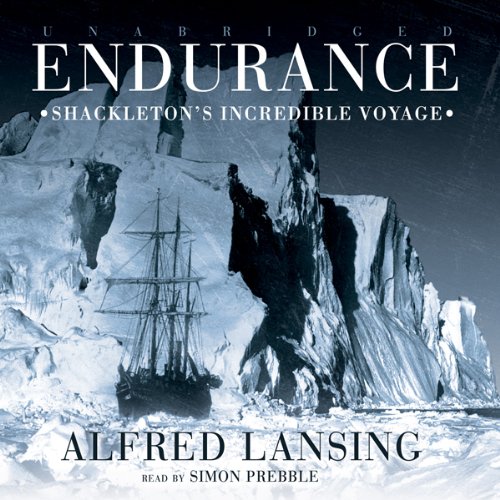
Endurance: Shackleton’s Incredible Voyage

Some books blur genres for me.

This book is the first in a long time that I thought was a piece of fiction, only to be slapped in the face and find out it was a true story.

 Because of this, the subtitle is the most apt subtitle I have come across. This book captures adventure, survival horror, and the imagination all in one book. This is a story about traveling to the Antarctic in the last days in the age of exploration.

I don’t want to spoil too much more, I recommend going into this blind, I already feel like I have spoiled the book saying it is a true story.

Tl;dr: one of the few books to make me go “wow” and “that was real?”

Lies My Teacher Told Me

A must read if you have ever taken a US History class EVER.

This book is a history book about history books while correcting many of the factual errors stated in them or at least giving them new perspective.

Such as: Christopher Columbus did NOT think the world was flat AND he DID transport many slaves from the new world to Spain.

He also mentions things completely missing from a lot of textbooks. Namely Unions, a history of class warfare, and so much from Vietnam.

This book is close to 30 years old as of writing so some books have gotten with the times, however this should be mandatory reading in college if not high school.

This book, as I mentioned earlier, discusses on the history of history books and why modern history books suck and don’t encourage critical thinking.

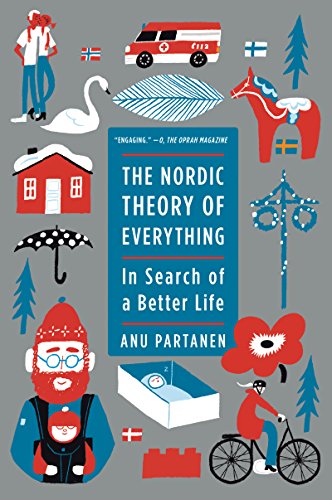
The Year of Living Danishly/ The Nordic Theory of Everything

I am counting both of these books as 1 because they are very similar in topic. The topic: how the Nordic counties operate. Specifically comparing them to the “civilized” western county of the US (year of Living Danishly compares the UK as well).

Both books present the Nordic counties and how they operate. They both elaborate on what makes these counties function for the average citizen. And present their ideas on why said counties are always at the top of the world happiness index, and why the US is not in the top 10. Things simple as: investing in its citizens, not having medical systems that make citizens regret going to the doctor, making people take time off to keep them productive, giving parental leave, and other concepts I can only have in my most extravagant dreams about the US and working/living here.

To give a bit more context: Year of Living Danishly is a happiness book as well, but I never had so much culture shock as I did when I first read it. It follows the Author moving to Denmark and her emotions and reactions having the culture shock as well, has a lovely ending as well.

The Nordic Theory of Everything is more facts, more details and less focus on the author. However, reading this book made me disappointed in the US more. It does a better job of comparing all the countries, not just Denmark or Finland

Read this and share it with anyone thinking about how happy their country makes them

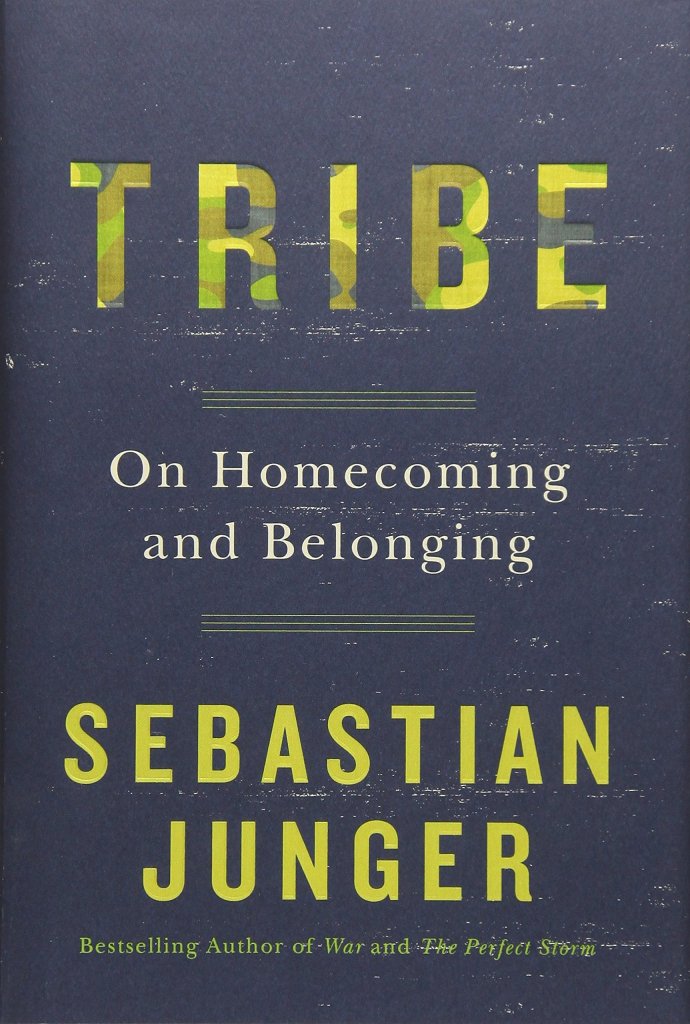
Tribe

To preface, this is a short book. Nonetheless I think this is a book everyone should read. Also, if you read this book and think it applies to only people in the military, you are missing the point of the book. This book as about what a “tribe” is and what happens to people when they are in a “tribe”.  This book gave me an outlook on belonging in groups I never realized before. I don’t want to say more, the book is really short and worth your time.

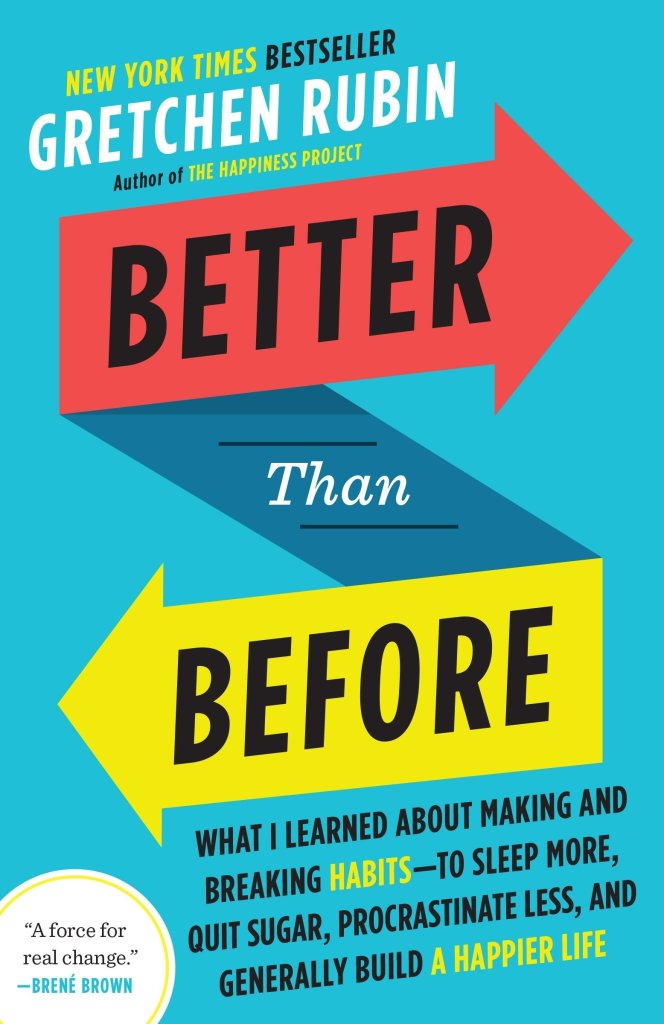
Better Than Before

Habits are things everyone does, this book recognizes that and has you think about the habits you make and how to exploit them. The author does a great job of looking at the 4 main types of habit formers and examines how each works and how to get each one to work to achieve “happiness”. I am using this term a bit loosely as I think this is more of a book to get you to think about what you want to change about yourself, not directly relating to happiness. This is a book for a tool to work on yourself not the silver bullet for happiness.

 I do also think the extra long excerpt about going keto is a bit shoe-horned in. And as I got the audiobook version of this, I got a preview of her podcast. I don’t think either add much to the book. I will admit the keto section is a good example of using habits, but she dives way too far into it.

Great book to get you to think about your own actions and how to change them